Lima, Urubamba, Machupicchu, Cuzco History & Heritage Route
A clean, traveler-facing version of your saved trip with the selected plans, flexible time, accommodation areas and practical considerations in one place.



Lima → Urubamba → Machupicchu → Cuzco
The trip moves from Lima through Urubamba and Machupicchu and Cuzco, while keeping each day centered on its assigned city and preserving practical arrival, transfer and departure time.
Where to stay
These are recommended base areas, not individual hotel endorsements. Compare current location, room layout, reviews, price and availability before booking.
Miraflores feels polished and coastal, with the Malecón, strong dining blocks, and a lively-but-manageable hotel corridor that suits a premium, balanced two-night stay. It fits this Lima plan well because you have one lighter day and one full historic-center day, so returning to a comfortable base after sightseeing and dinner stays simple without forcing you into the busiest colonial streets. The tradeoff is that it is busier and a bit more tourist-oriented than quieter districts, but the payoff is a dependable, attractive base with good hotel depth and easy movement across the city.
Urubamba Town Center feels practical, lived-in, and close to the valley’s daily rhythm rather than set apart from it. That suits a three-night base built around Urubamba town time on day 3 plus full-day outings to Pisac, Chinchero, Maras, and Moray, because you can reset easily between long sightseeing days. The tradeoff is that it is more straightforward than scenic or resort-like, so the stay is about logistics and comfort rather than a tucked-away retreat.
Aguas Calientes Town Center keeps the station, shuttles, restaurants and lodging close together for the selected citadel visit. Confirm the rail, shuttle and entry schedules before travel; the center can be busy at arrival and departure times.
Historic Center feels polished, atmospheric, and firmly tied to Cusco’s core streets, with colonial plazas, restaurant blocks, and easy evening wandering close by. For three nights, that keeps your days balanced between the main square, San Pedro’s food stalls, and uphill sights like San Blas or Sacsayhuamán without wasting time crossing town. The main tradeoff is the cobblestones and hills, plus occasional vehicle limits on the narrowest streets, so luggage handling and some uphill walks take a little extra effort.
The complete itinerary
Some selected outings need ground transport from Miraflores. Plan those connections separately from walking within each stop.
Lima
Keep the arrival portion flexible, settle in and use the selected plan as the day’s main anchor when timing and energy allow.
Use this time for arrival, luggage and hotel check-in when available, then keep the pace light before the next plan.
Miraflores arrival: Settle into Miraflores and keep the first day light with nearby walks, coast views, and an easy neighborhood dinner. No car is needed for a low-key arrival day in this base area.
Lima
Use the selected plan as the day’s main anchor and keep the remaining time flexible for rest, meals or a nearby activity.
Lima’s Historic Center is the city’s most layered colonial showcase, where the main squares and ceremonial buildings still define the urban scene. Stone façades, carved balconies, and shaded arcades give the area a formal grandeur, while the bustle around the plaza keeps it feeling lived-in rather than static.
Use the open time for rest, a leisurely meal or a short nearby activity only when weather and energy support it.
Ground connection and local walking: Arrange ground transport from Miraflores to Historic Center and Plaza Mayor and back. Walking applies within each stop after you arrive; confirm the road or transit connection in advance.
Lima → Urubamba
Confirm the full route and actual schedules before relying on plans on this transfer day.
Fly from Lima to Cusco, then continue by road into the Sacred Valley to Urubamba. This is the most practical premium option and preserves the itinerary rhythm for the rest of the trip.
Some selected outings need ground transport from Urubamba Town Center. Plan those connections separately from walking within each stop.
Urubamba
Travel from Lima to Urubamba, check in and preserve a comfortable buffer around the selected plan.
Use this time for the move to Urubamba, luggage and hotel check-in, leaving a comfortable buffer before the next plan.
Urubamba’s town center gives the Sacred Valley a more everyday rhythm, with market life, church facades, and mountain air all within a compact walk. The plaza and surrounding streets feel quieter than Cusco, and visitors usually notice the slower pace, produce stalls, and the way the valley light falls across the town.
Fly and settle in: Use the day for the Lima to Cusco flight and the road connection into Urubamba, then keep the afternoon easy around town. This is a good acclimatization day with minimal sightseeing pressure.
Urubamba
Use the selected plan as the day’s main anchor and keep the remaining time flexible for rest, meals or a nearby activity.
Pisac pairs one of the Sacred Valley’s best-known Inca sites with a market town that still feels closely tied to valley life. The ruins sit above the valley with terraces, stairways, and long views, while the lower town adds crafts, produce, and a more everyday Andean rhythm.
Use the open time for rest, a leisurely meal or a short nearby activity only when weather and energy support it.
Ground connection and local walking: Arrange ground transport from Urubamba Town Center to Pisac Archaeological Site and Market Town and back. Walking applies within each stop after you arrive; confirm the road or transit connection in advance.
Urubamba
Use the selected plan as the day’s main anchor and keep the remaining time flexible for rest, meals or a nearby activity.
This Sacred Valley day combines three different expressions of Andean culture and landscape: a living community, a working salt site, and a cerebral Inca terrace complex. Chinchero brings textiles and highland traditions, Maras shows the striking geometry of the salt pans, and Moray adds the circular agricultural terraces that often leave visitors staring twice.
Use the open time for rest, a leisurely meal or a short nearby activity only when weather and energy support it.
Ground connection and local walking: Arrange ground transport from Urubamba Town Center to Chinchero to Maras and Moray landscape and culture day and back. Walking applies within each stop after you arrive; confirm the road or transit connection in advance.
Urubamba → Machupicchu
Confirm the full route and actual schedules before relying on plans on this transfer day.
Take the train from the Sacred Valley toward Machupicchu Pueblo, then use the town-to-citadel access separately. This keeps the transfer orderly and fits the required rail-based approach.
This segment is rail-based, with simple local movement after arrival and no need for a car at all. Keep transfers compact and on foot or with the local connection once you are in the gateway town.
Machupicchu
Travel from Urubamba to Machupicchu, check in and preserve a comfortable buffer around the selected plan.
Use this time for the move to Machupicchu, luggage and hotel check-in, leaving a comfortable buffer before the next plan.
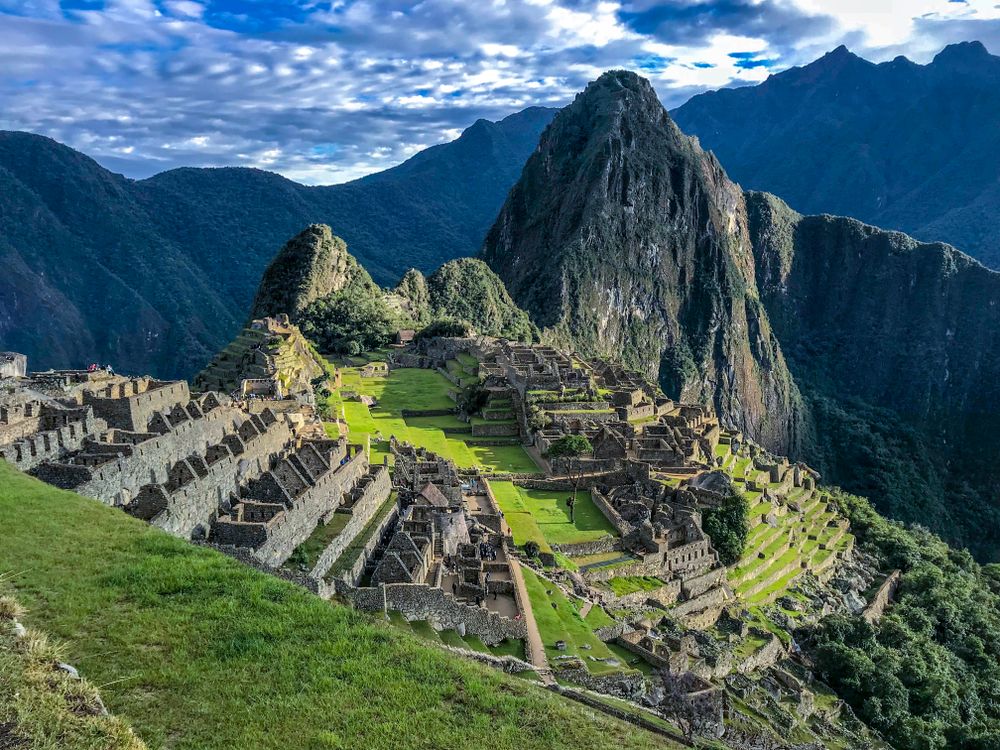
Machu Picchu is the signature Inca citadel, and the afternoon visit centers on its stonework, terraces, and mountain setting rather than on rushing through a checklist. The site’s scale changes as you move through it, from ceremonial spaces to open platforms with sweeping valley views, and the temples give the ruins their most memorable architectural moments.
Local movement after arrival: After arriving, use a simple local connection to the accommodation area or first selected plan. Keep the rest of the day focused on easy movement within the destination.
Machupicchu → Cuzco
Confirm the full route and actual schedules before relying on plans on this transfer day.
Return by rail from the gateway town and continue by road into Cusco. This is the cleanest way to reset in the city after the Machu Picchu segment.
Arrive by rail and road, then keep the city stay centered on walking in the historic core, with one day that may use a short road access to the upper ruins. No car is needed overall, though a driver can be convenient for the uphill archaeological circuit.
Cuzco
Travel from Machupicchu to Cuzco, check in and preserve a comfortable buffer around the selected plan.
Use this time for the move to Cuzco, luggage and hotel check-in, leaving a comfortable buffer before the next plan.
Cusco’s historic center is the city at its most polished and walkable, with plazas, churches, and colonial streets arranged in a compact pattern around Plaza de Armas. The area feels especially vivid in the afternoon, when the light catches the stonework and the cafés, arcades, and steps between plazas fill with locals and visitors.
Return to Cusco: Use the rail-plus-road return from Machupicchu Pueblo to Cusco and keep the afternoon light in the historic center. After a full transfer day, choose easy walking and an early evening.
Cuzco
Use the morning and afternoon plans as the day’s two anchors, with time between them for transportation, meals and breaks.
San Pedro gives Cusco its most direct market scene, where produce, snacks, household goods, and everyday city movement all mix under one roof and along the surrounding streets. It is less formal than the main squares, and that is the appeal: you see what locals actually buy and eat, not just what is presented for visitors.
San Blas is Cusco’s artisan quarter, where steep lanes, small studios, and layered stonework make the neighborhood feel handcrafted at every turn. The climb is part of the character, with whitewashed façades, carved balconies, and viewpoints opening unexpectedly between workshops and churches.
Center and San Blas: Stay on foot for the historic center, San Pedro, and San Blas areas, using short walks between closely grouped sights. This is one of the easiest no-car days of the trip.
Cuzco
Use the selected plan as the day’s main anchor and keep the remaining time flexible for rest, meals or a nearby activity.
Sacsayhuamán and the upper archaeological circuit show Cusco from above, where massive Inca masonry, open hills, and long city views come together in one active morning. The scale of the stonework is the main event, but the surrounding sites add variety: Qenqo feels ritual and carved, Puka Pukara more military or waystation-like, and Cristo Blanco gives a broad overlook back toward the city.
Use the open time for rest, a leisurely meal or a short nearby activity only when weather and energy support it.
Upper ruins circuit: Use a short road access up to Sacsayhuamán and the upper archaeological circuit, then return to the historic center on foot or by car if needed. The day works well as a moderate, scenic finale in Cusco.
Cuzco
Keep the day flexible for breakfast, checkout, luggage and onward travel. Add only a short nearby meal or walk if your departure timing leaves a comfortable buffer.
Departure day: Keep the final morning light and stay close to the historic center until departure. Use a direct transfer to the airport or onward transport rather than trying to fit in a far-flung outing.
Review before you travel
Warnings and practical considerations from AskTryps Insights.
Timing, transfers, weather, and other details that could affect how the trip works.
Plan for a long walk
The Historic Center and Plaza Mayor covers several stops on foot, so pace the morning around the full loop through Plaza Mayor, Lima Cathedral, Government Palace, and San Francisco Monastery. Expect mixed indoor-outdoor time and moderate crowds.
Leave room after transfer
Day 3 is a transfer day into Urubamba, and the afternoon in Urubamba Valley Town Center still needs time for plazas, market browsing, and viewpoints. Build in a buffer so the city move does not compress the first exploration block.
Watch site conditions
The Chinchero to Maras and Moray landscape and culture day is road-based with short stops, but access can vary by site. Plan for changing conditions and outdoor exposure across Chinchero archaeological site, Salineras de Maras, and Moray Archaeological Site.
Keep a steady pace
Machu Picchu Citadel and Terraces is a high-crowd, outdoor-heavy day with a longer visit window. Move deliberately through Machu Picchu, Temple of the Sun, Intihuatana, and Temple of the Three Windows to avoid rushing the loop.
Split the walking day
On Day 8, the morning at Mercado de San Pedro and Local Food Streets and the afternoon in San Blas and Artisan Hills both involve compact but active walking. Keep transit between the market area, Plazoleta de San Blas, and Hatunrumiyoc efficient so the two halves stay comfortable.
Personalize this itinerary for you
Preload the cities, nights, pace, trip rhythm and major trip goals, then add your own dates, travelers, budget and preferences.
Customize this trip