14-night Tokyo & Kyoto & Osaka & Hakone
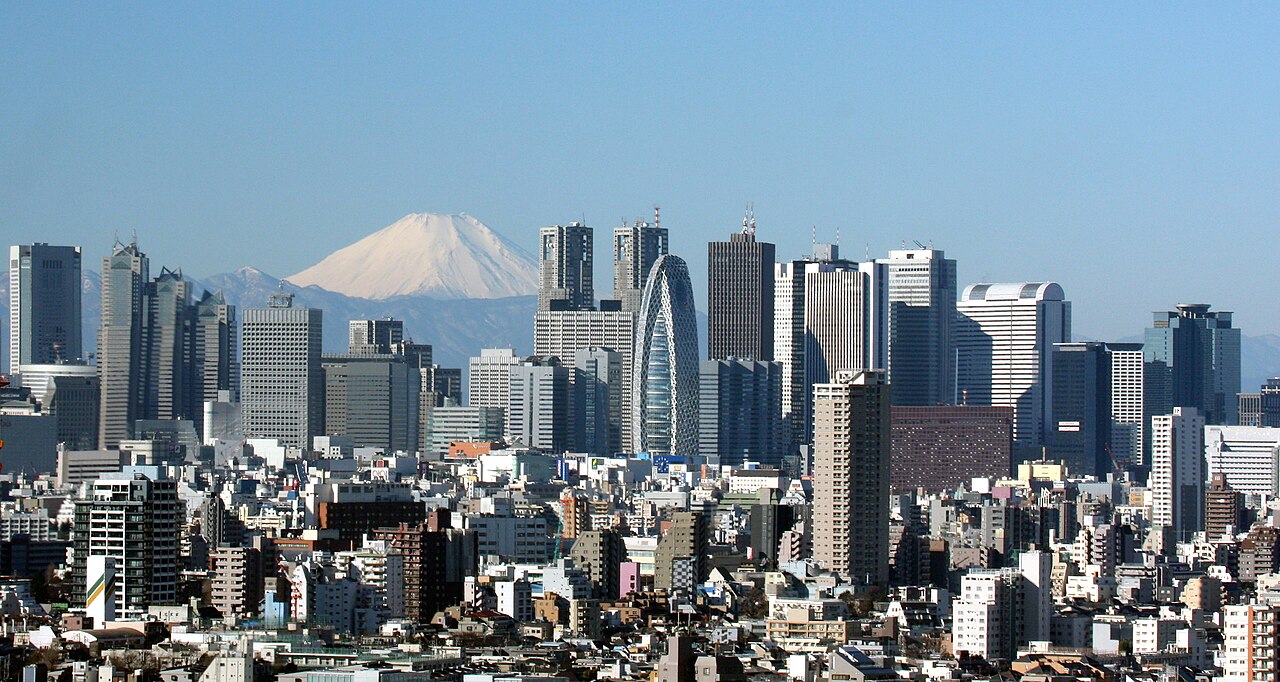
Shibuya and Harajuku show Tokyo at its most kinetic, where neon crossings and shrine-lined backstreets sit a few minutes apart.

Tokyo → Kyoto → Osaka → Hakone
The trip moves from Tokyo through Kyoto and Osaka and Hakone, while keeping each day centered on its assigned city and preserving practical arrival, transfer and departure time.
Where to stay
These are recommended base areas, not individual hotel endorsements. Compare current location, room layout, reviews, price and availability before booking.
A practical base for the selected plans in Tokyo.
A practical base for the selected plans in Kyoto.
A practical base for the selected plans in Osaka.
A practical base for the selected plans in Hakone.
The complete itinerary
Tokyo
Keep the arrival portion flexible, settle in and use the selected plan as the day’s main anchor when timing and energy allow.
Use this time for arrival, luggage and hotel check-in when available, then keep the pace light before the next plan.
Shibuya and Harajuku show Tokyo at its most kinetic, where neon crossings and shrine-lined backstreets sit a few minutes apart. The area swings from the spectacle of Shibuya Crossing to the calmer, wooded approach of Meiji Jingu, with Yoyogi Park adding room for kids to stretch after the crowds.
Arrival in Tokyo: Keep the first outing simple with easy rail or taxi links from Tokyo Station to Shibuya and Harajuku. Expect some walking around major sights, and return to Marunouchi by train, taxi, or on foot depending on energy.
Tokyo
Use the morning and afternoon plans as the day’s two anchors, with time between them for transportation, meals and breaks.
Asakusa and Ueno give you Tokyo’s most legible blend of old temple streets and broad public parkland. Around Sensō-ji and Kaminarimon, you’ll find lantern-lit approaches, souvenir lanes, and a steady stream of pilgrims and day-trippers, while Ueno Park brings museums, ponds, and more breathing room.
Ginza and Tsukiji pair Tokyo’s polished shopping streets with one of its most recognizable food districts. Tsukiji Outer Market still buzzes with seafood stalls, tamagoyaki counters, and quick bites that fit a family lunch stop, while Ginza Six and the nearby avenue blocks shift the tone toward department-store elegance and design-forward retail.
East side by train: Use the subway or JR lines to link Asakusa, Ueno, Ginza, and Tsukiji efficiently. Walking works well within each district, but rail is the easiest way to avoid long cross-city hops.
Tokyo
Use the morning and afternoon plans as the day’s two anchors, with time between them for transportation, meals and breaks.
Odaiba Waterfront is Tokyo’s modern face at the water’s edge, built for broad promenades, big views, and indoor-outdoor switching. The skyline across the bay, the open lawns at Odaiba Seaside Park, and the playful architecture around DiverCity Tokyo Plaza create a more relaxed rhythm than central Tokyo. teamLab Borderless brings the most immersive art stop in the itinerary, while Miraikan adds hands-on science that usually works well with children.
Kasai and Tokyo Sea Life Park make a nature-focused afternoon with one of Tokyo’s best aquarium visits and a large waterfront park beside it. Tokyo Sea Life Park is the anchor here, with big tanks and marine species that hold children’s attention, while Kasai Rinkai Park gives you open lawns, birdlife, and a much-needed outdoor counterweight.
Waterfront transit: Reach Odaiba and Kasai by train or monorail-style rail links, then walk between the waterfront sights. The route is very car-unfriendly, so public transport is the practical choice for a full family day.
Tokyo
Use the morning and afternoon plans as the day’s two anchors, with time between them for transportation, meals and breaks.
Roppongi and Azabudai deliver Tokyo’s art-and-skyline side, with polished towers, serious museums, and big observation views. The district feels sleek rather than hectic, and the contrast between the galleries, landscaped public spaces, and elevated city panoramas makes it an easy place to spend a concentrated morning.
Shinjuku Gyoen and Shinjuku give you a rare combination of formal gardens and one of Tokyo’s busiest urban centers. Shinjuku Gyoen National Garden is the calm anchor, with broad paths, lawns, and seasonal plantings that soften the day after dense city streets.
Central city loop: Use a combination of short rail rides and walking for Roppongi, Azabudai, and Shinjuku. This keeps the day manageable while avoiding the unpredictability of cross-town traffic.
Tokyo
Use the morning and afternoon plans as the day’s two anchors, with time between them for transportation, meals and breaks.
Imperial Palace and Marunouchi link Tokyo’s political heart with its most refined station-front streets. The East Gardens provide a quiet, historically layered walk with stone walls and open grounds, while Tokyo Station and the Marunouchi buildings show how the city balances old symbolism with contemporary design and commerce.
Yanaka and Nezu feel older and more lived-in than much of central Tokyo, with low-rise streets, shrine grounds, and shopfronts that still move at neighborhood speed. Yanaka Ginza brings snack stops and small-scale retail, while Nezu Shrine adds torii-lined paths and a quieter spiritual atmosphere.
Nearby neighborhoods: Stay mostly on foot around the Imperial Palace and Marunouchi, then use a short train hop or taxi for Yanaka and Nezu. This is one of the easiest days to keep flexible and low-friction.
Tokyo → Kyoto
The fastest and least stressful option for this family is the high-speed rail connection, with easy station access from central Tokyo and a smooth arrival in Kyoto. It works well for a packed itinerary and avoids airport-style friction.
Kyoto
Travel from Tokyo to Kyoto, check in and preserve a comfortable buffer around the selected plan.
Use this time for the move to Kyoto, luggage and hotel check-in, leaving a comfortable buffer before the next plan.
Arriving in Kyoto: After arrival, keep movement local and simple within Gion and Higashiyama. Use walking for the old streets and short taxi or bus rides only if you need to save time or manage tired legs.
Kyoto
Use the morning and afternoon plans as the day’s two anchors, with time between them for transportation, meals and breaks.
Higashiyama and Gion are the Kyoto people picture first: temple steps, sloping lanes, wooden façades, and the possibility of seeing geiko districts in the late afternoon light. Kiyomizu-dera gives you the hillside setting and classic city views, while Sannenzaka and Yasaka Shrine turn the walk into a sequence of stone lanes, craft shops, and shrine precincts.
Philosopher’s Path and Okazaki shift Kyoto into a quieter register, with canalside walking, gardens, and major museums close enough to connect in one afternoon. The Philosopher’s Path is the scenic spine, especially pleasant when the light is soft, while Nanzen-ji adds temple scale and stone architecture nearby.
Getting around today: Use the selected accommodation area as the starting point and confirm the simplest local connection before setting out.
Kyoto
Use the morning and afternoon plans as the day’s two anchors, with time between them for transportation, meals and breaks.
Arashiyama is Kyoto’s most scenic family area, where forest paths, river views, and temple grounds all sit within a compact pocket of the west side. The Bamboo Grove gives the district its signature atmosphere, Tenryu-ji brings major temple heritage and garden design, and Togetsukyo Bridge opens the view over the river and hills.
Nijo Castle and Central Kyoto bring the city’s shogunal past together with a practical food-and-museum afternoon. Nijo Castle stands out for its fortified grounds and palace interiors, while Kyoto Imperial Palace adds a different scale of historic authority a short ride away.
Getting around today: Use the selected accommodation area as the starting point and confirm the simplest local connection before setting out.
Kyoto
Use the morning and afternoon plans as the day’s two anchors, with time between them for transportation, meals and breaks.
Fushimi Inari and Southern Kyoto center on one of Japan’s most recognizable shrine landscapes, with thousands of vermilion gates climbing the mountain. Fushimi Inari Taisha is the clear draw, but the surrounding approach also gives you a real sense of shrine pilgrimage and hillside movement rather than just a photo stop.
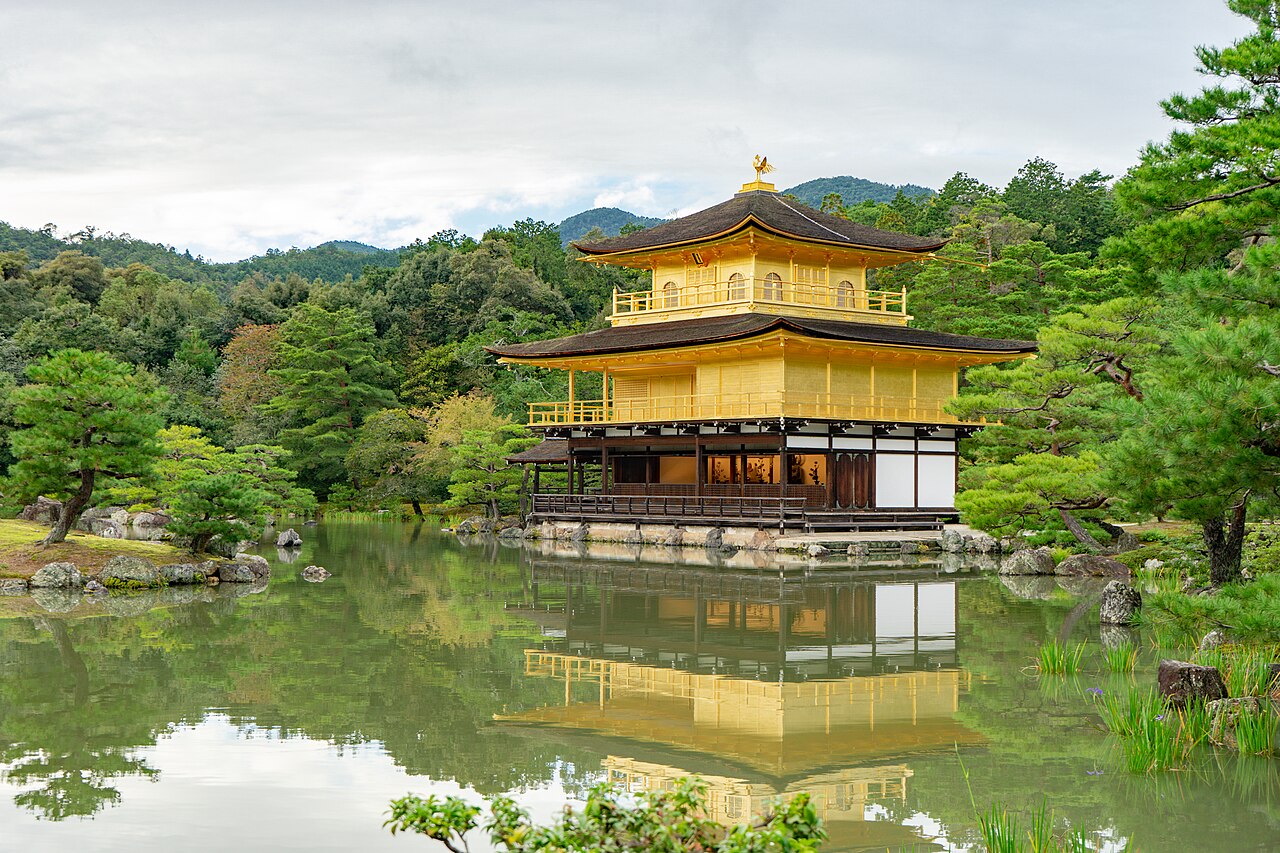
Northern Kyoto Temples offer a more reflective afternoon, with immaculate gardens and carefully composed temple grounds rather than a single high-energy landmark. Kinkaku-ji is the area’s best-known sight, its gold pavilion set against water and clipped greenery, while Ryoan-ji and Ninna-ji give you calmer temple landscapes with more room to move slowly.
Getting around today: Use the selected accommodation area as the starting point and confirm the simplest local connection before setting out.
Kyoto → Osaka
This is a short, easy transfer, and rail is the most practical choice for getting from the Kyoto stay to your Osaka base. It minimizes traffic risk and leaves the day flexible for more sightseeing after arrival.
Osaka
Travel from Kyoto to Osaka, check in and preserve a comfortable buffer around the selected plan.
Use this time for the move to Osaka, luggage and hotel check-in, leaving a comfortable buffer before the next plan.
Local movement after arrival: After arriving, use a simple local connection to the accommodation area or first selected plan. Keep the rest of the day focused on easy movement within the destination.
Osaka
Use the morning and afternoon plans as the day’s two anchors, with time between them for transportation, meals and breaks.
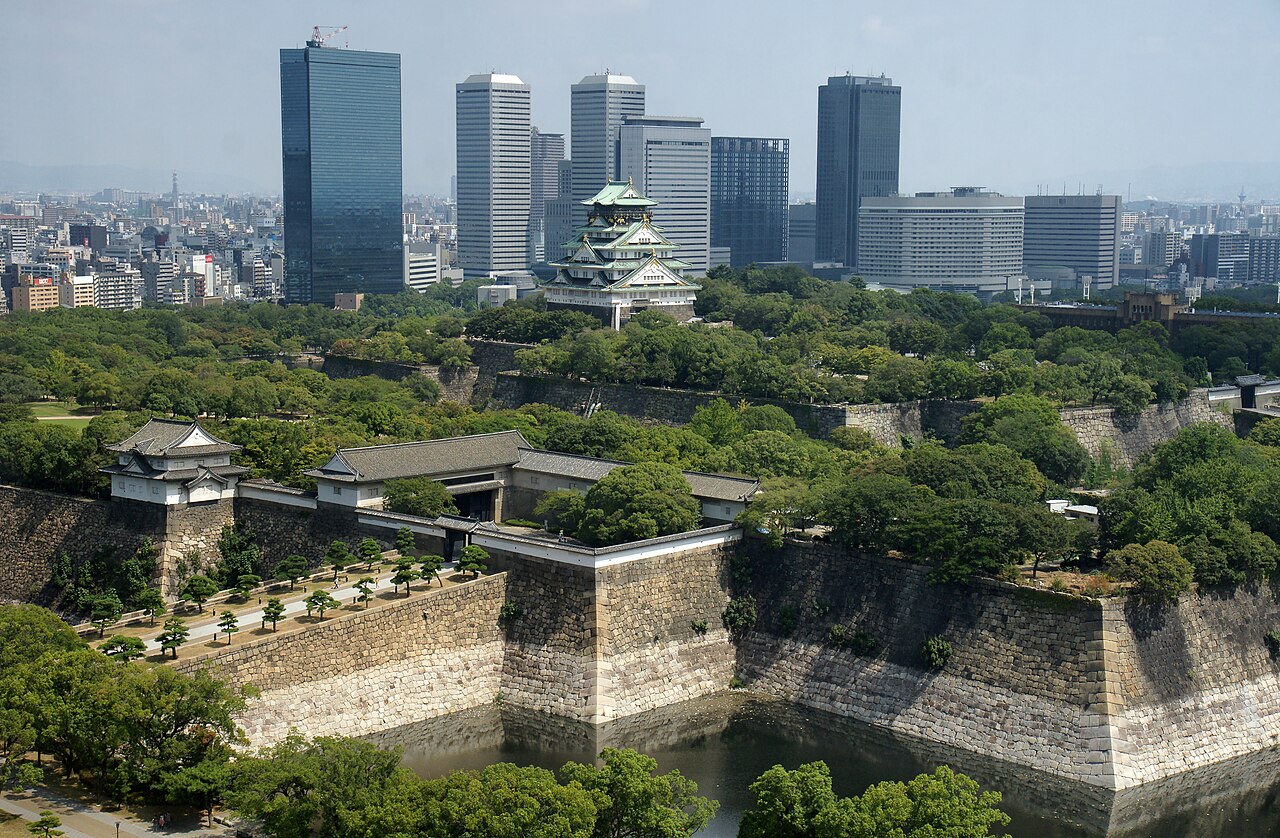
Osaka Castle Park and Kyobashi introduce Osaka through one of its most recognizable symbols and the green space around it. Osaka Castle gives the day its historical anchor, while Osaka Castle Park adds paths, water, and open lawns that work well for a family morning.
Nakanoshima and Kitahama give Osaka a calmer, more cultured afternoon along the river, with museums and parkland in a compact central corridor. Nakanoshima Park is the green relief, while the Osaka Science Museum and The National Museum of Art, Osaka provide two very different indoor stops that fit a family trip nicely.
Getting around today: Use the selected accommodation area as the starting point and confirm the simplest local connection before setting out.
Osaka
Use the morning and afternoon plans as the day’s two anchors, with time between them for transportation, meals and breaks.
Dotonbori and Shinsaibashi show Osaka at full volume, with neon, food counters, and shopping streets packed into a lively central strip. Dotonbori’s canal-side energy is the headline, while Shinsaibashi-suji gives you the classic covered arcade for browsing and walking out of the weather.
Namba and Kuromon Market keep the energy high while shifting from pure shopping to food and local street activity. Kuromon Ichiba Market is the clearest lunch anchor, with seafood, snacks, and produce stalls that make the area feel edible rather than just commercial.
Getting around today: Use the selected accommodation area as the starting point and confirm the simplest local connection before setting out.
Osaka → Hakone
The best fit is rail to the Hakone area with a local transfer into Gora, since Hakone is not a simple point-to-point rail destination. This keeps the long travel day manageable and avoids the stress of mountain driving after a city stay.
Hakone
Travel from Osaka to Hakone, check in and preserve a comfortable buffer around the selected plan.
Use this time for the move to Hakone, luggage and hotel check-in, leaving a comfortable buffer before the next plan.
Local movement after arrival: After arriving, use a simple local connection to the accommodation area or first selected plan. Keep the rest of the day focused on easy movement within the destination.
Hakone
Use the morning and afternoon plans as the day’s two anchors, with time between them for transportation, meals and breaks.
Lake Ashi Cruise and Motohakone give Hakone its most iconic mountain-water setting, with shrine gates, boats, and clear views across the lake. Hakone Shrine’s lakeside approach adds a spiritual counterpoint to the scenery, while the sightseeing cruise and Komagatake Ropeway turn the landscape into the main attraction.
Hakone Open-Air Museum and Gora round out the trip with art, gardens, and an easy mountain-town rhythm. The open-air museum is the main reason to come here, with sculpture set against hillsides and wide grounds that feel designed for wandering rather than rushing.
Getting around today: Use the selected accommodation area as the starting point and confirm the simplest local connection before setting out.
Hakone
Keep the day flexible for breakfast, checkout, luggage and onward travel. Add only a short nearby meal or walk if your departure timing leaves a comfortable buffer.
Personalize this itinerary for you
Preload the cities, nights, pace, trip rhythm and major trip goals, then add your own dates, travelers, budget and preferences.
Customize this trip