14-night Tokyo & Kyoto
Ueno brings together Tokyo’s most approachable concentration of museums and parkland, so the morning feels cultural without becoming heavy.
Tokyo → Kyoto
The trip moves from Tokyo through Kyoto, while keeping each day centered on its assigned city and preserving practical arrival, transfer and departure time.
Where to stay
These are recommended base areas, not individual hotel endorsements. Compare current location, room layout, reviews, price and availability before booking.
A practical base for the selected plans in Tokyo.
A practical base for the selected plans in Kyoto.
The complete itinerary
Tokyo is best handled entirely without a car, using the metro, JR lines, and walking for the full stay. Most days stay close to the rail network, and even the longer cross-city outings are easier by transit than by driving. A short taxi or prebooked transfer can help on arrival, but it is not needed for city touring.
Tokyo
Keep the arrival portion flexible, settle in and use the selected plan as the day’s main anchor when timing and energy allow.
Use this time for arrival, luggage and hotel check-in when available, then keep the pace light before the next plan.
Arriving in Ginza: Use a short local transfer from the airport or station to Ginza, then keep the first day easy with nearby streets, dining, and recovery time. The area is walkable once you are checked in, so there is no need for a car.
Tokyo
Use the selected plan as the day’s main anchor and keep the remaining time flexible for rest, meals or a nearby activity.
Ueno brings together Tokyo’s most approachable concentration of museums and parkland, so the morning feels cultural without becoming heavy. Wide paths, seasonal greenery, and the mix of formal institutions with open-air space give the area an easy rhythm that contrasts with the rest of the city.
Use the open time for rest, a leisurely meal or a short nearby activity only when weather and energy support it.
Ueno by transit: Ride the metro or JR lines from Ginza to Ueno, then explore the park and museums on foot. This is a straightforward no-car day with easy station access and compact local walking.
Tokyo
Use the selected plan as the day’s main anchor and keep the remaining time flexible for rest, meals or a nearby activity.
Ginza and Tsukiji pair polished city streets with one of Tokyo’s best-known food neighborhoods, so the morning feels both refined and very local. Expect sleek storefronts, broad avenues, and the steady energy that comes from a district built around shopping, dining, and theater.
Use the open time for rest, a leisurely meal or a short nearby activity only when weather and energy support it.
Ginza and Tsukiji: Stay local and walk between Ginza, Tsukiji Outer Market, and Kabukiza Theatre. Short subway rides are optional, but most of the day works well on foot from the hotel base.
Tokyo
Use the selected plan as the day’s main anchor and keep the remaining time flexible for rest, meals or a nearby activity.
Keep the morning open for a slower start, breakfast and an easy nearby activity before the afternoon plan.
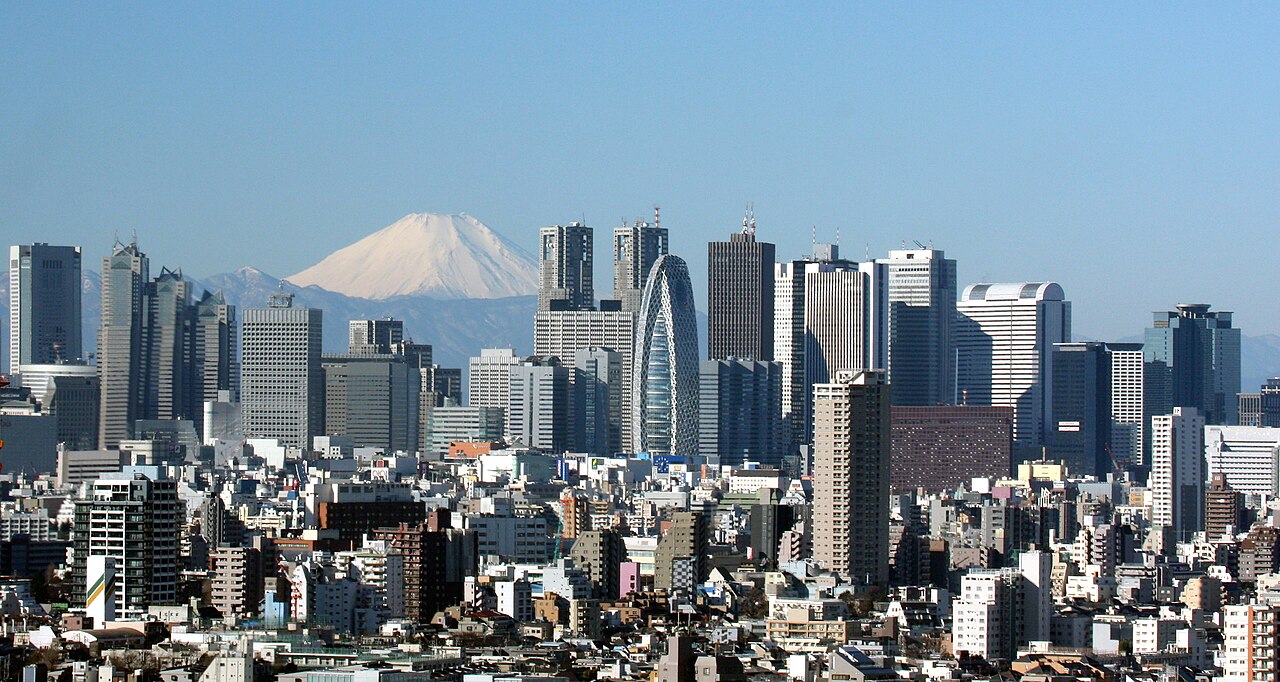
Shinjuku combines skyline drama with a surprisingly restorative garden, which makes the afternoon feel distinctly Tokyo. Glass towers, dense streets, and the contrast between business district and open green space are what visitors notice first.
Shinjuku by train: Use JR or metro lines to reach Shinjuku, then move between the observatory, garden, and nightlife area on foot. Keep the hotel base in Ginza and avoid driving in this busy district.
Tokyo
Use the selected plan as the day’s main anchor and keep the remaining time flexible for rest, meals or a nearby activity.
Keep the morning open for a slower start, breakfast and an easy nearby activity before the afternoon plan.
Odaiba feels like Tokyo’s bayfront playground, mixing waterfront views, modern architecture, and large-scale entertainment in one place. The setting is open and contemporary, with wide promenades, big buildings, and the water always part of the scene.
Odaiba waterfront: Reach Odaiba by train or local transit, then spend the day walking between the malls, waterfront, and museum area. The trip is short enough that a car is unnecessary and parking would add extra friction.
Tokyo
Use the selected plan as the day’s main anchor and keep the remaining time flexible for rest, meals or a nearby activity.
Keep the morning open for a slower start, breakfast and an easy nearby activity before the afternoon plan.
Roppongi mixes major contemporary art with some of Tokyo’s best night views, giving the afternoon a polished, urban edge. The neighborhood feels vertical and cosmopolitan, with towers, galleries, and elevated viewpoints all packed close together.
Roppongi evening views: Take the metro from Ginza to Roppongi, then enjoy the museum and night-view area on foot. This is a simple city day with no need for a vehicle.
Tokyo
Use the selected plan as the day’s main anchor and keep the remaining time flexible for rest, meals or a nearby activity.
Imperial Palace and Marunouchi offer a calm, formal side of central Tokyo, where gardens, government-adjacent space, and business-district architecture sit side by side. The contrast between the moats and stone walls of the palace area and the glassy Marunouchi towers is what gives the morning its character.
Use the open time for rest, a leisurely meal or a short nearby activity only when weather and energy support it.
Imperial area morning: Walk or take a short train ride from Ginza to the Imperial Palace and Marunouchi area, then continue on foot between the garden, Tokyo Station, and nearby streets. Keep the day car-free and flexible.
Tokyo → Kyoto
The Shinkansen is the best fit for this city-center to city-center move. It is fast, frequent, and simple for two adults with luggage.
Some selected outings need ground transport from Gion and Higashiyama. Plan those connections separately from walking within each stop.
Kyoto
Travel from Tokyo to Kyoto, check in and preserve a comfortable buffer around the selected plan.
Use this time for the move to Kyoto, luggage and hotel check-in, leaving a comfortable buffer before the next plan.
Local movement after arrival: After arriving, use a simple local connection to the accommodation area or first selected plan. Keep the rest of the day focused on easy movement within the destination.
Kyoto
Use the selected plan as the day’s main anchor and keep the remaining time flexible for rest, meals or a nearby activity.
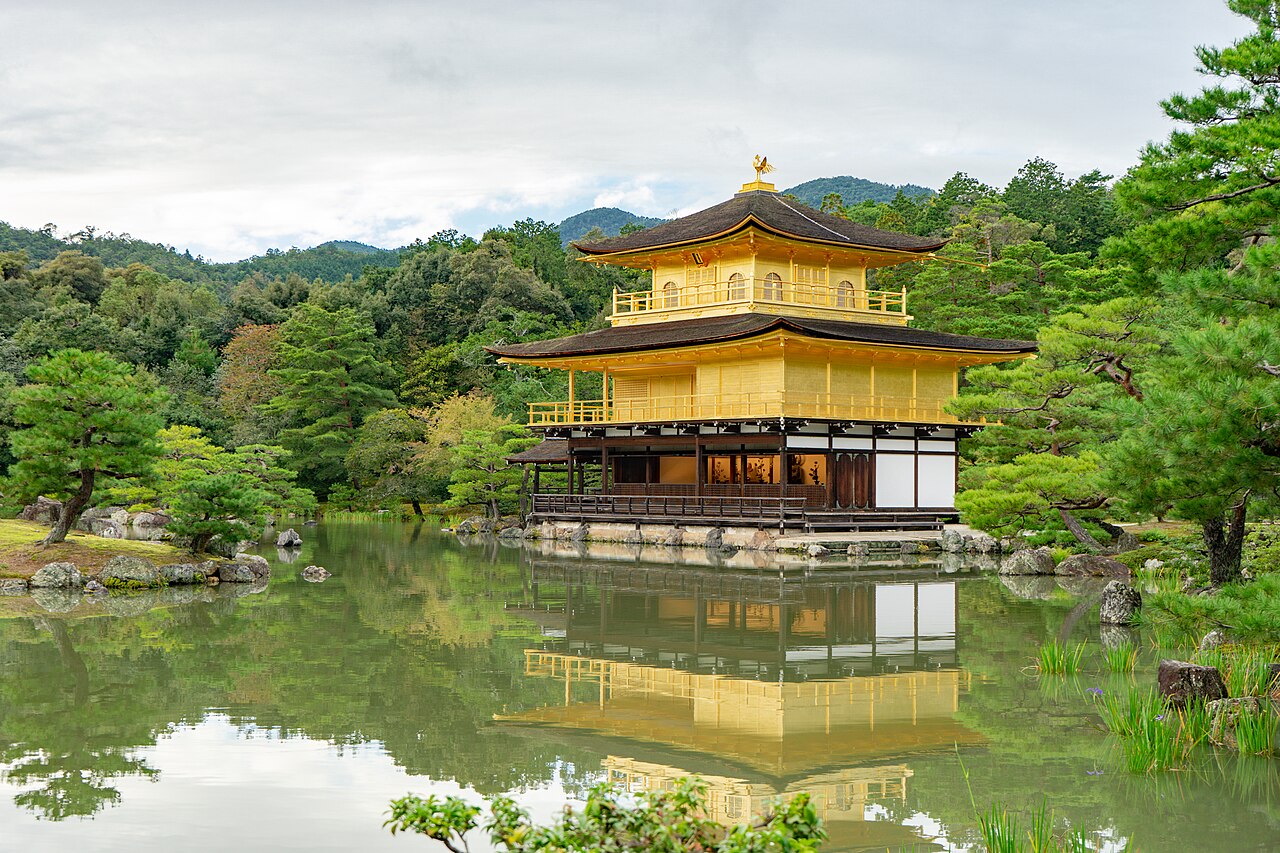
Gion and Higashiyama capture Kyoto at its most atmospheric, with temple precincts, traditional streets, and hillside walks all concentrated in one historic core. Narrow lanes, wooden facades, and the steady stream of visitors heading toward the temples make the area feel unmistakably old Kyoto.
Use the open time for rest, a leisurely meal or a short nearby activity only when weather and energy support it.
Gion on foot: Explore Gion, Higashiyama, and the hillside lanes almost entirely on foot from your hotel base. The streets are compact enough that a car would slow you down more than help.
Kyoto
Use the selected plan as the day’s main anchor and keep the remaining time flexible for rest, meals or a nearby activity.
Fushimi Inari and South Kyoto are defined by shrine paths, hillside walking, and a more local side of the city just beyond the center. The vermilion torii, forested slopes, and older streets around the shrine create a very different mood from Kyoto’s temple districts.
Use the open time for rest, a leisurely meal or a short nearby activity only when weather and energy support it.
Getting around today: Use the selected accommodation area as the starting point and confirm the simplest local connection before setting out.
Kyoto
Use the selected plan as the day’s main anchor and keep the remaining time flexible for rest, meals or a nearby activity.
Philosopher’s Path and Okazaki offer one of Kyoto’s gentlest cultural mornings, linking gardens, temples, and museums along a walkable corridor. The mood is quieter than the larger temple districts, with canalside paths, broad grounds, and a more reflective pace.
Use the open time for rest, a leisurely meal or a short nearby activity only when weather and energy support it.
Getting around today: Use the selected accommodation area as the starting point and confirm the simplest local connection before setting out.
Kyoto
Use the morning and afternoon plans as the day’s two anchors, with time between them for transportation, meals and breaks.
Potential activity option: Enjoy a self-paced city cycling outing with river views and easy access to nearby neighborhoods; confirm bike rental, route, and traffic rules before travel. Only the named venue's location was matched.
Central Museums and Imperial Park brings together Kyoto’s civic heart, where gardens, cultural institutions, and palace grounds sit in a calmer part of the city. The area feels spacious and orderly, with tree-lined grounds and museum stops that balance the more crowded historic districts.
Confirm activity access before arranging transport: Only the named venue's location was matched. Confirm the exact activity location, guest or participant access and any package or booking requirements before arranging travel. The venue pin is not a confirmed meeting point or proof that the activity is available. Plan the other selected stops separately: Central Museums and Imperial Park.
Kyoto
Use the selected plan as the day’s main anchor and keep the remaining time flexible for rest, meals or a nearby activity.
Arashiyama is one of Kyoto’s most scenic districts, with river views, temple grounds, bamboo groves, and hills all folded into a single morning. The landscape is what people remember most here: the bridge over the Katsura River, the bamboo grove’s vertical lines, and the wooded backdrop around the temples.
Use the open time for rest, a leisurely meal or a short nearby activity only when weather and energy support it.
Ground connection and local walking: Arrange ground transport from Gion and Higashiyama to Arashiyama and back. Walking applies within each stop after you arrive; confirm the road or transit connection in advance.
Kyoto
Use the selected plan as the day’s main anchor and keep the remaining time flexible for rest, meals or a nearby activity.
Kyoto Station and Central Kyoto show the city’s modern side alongside a few of its most useful cultural stops, so the morning has a practical but still very Kyoto feel. The station complex, tower views, and market streets create a mix of transit hub, skyline, and everyday food culture.
Use the open time for rest, a leisurely meal or a short nearby activity only when weather and energy support it.
Getting around today: Use the selected accommodation area as the starting point and confirm the simplest local connection before setting out.
Kyoto
Keep the day flexible for breakfast, checkout, luggage and onward travel. Add only a short nearby meal or walk if your departure timing leaves a comfortable buffer.
Getting around today: Keep transportation flexible today and confirm the most practical connection from the selected accommodation area.
Personalize this itinerary for you
Preload the cities, nights, pace, trip rhythm and major trip goals, then add your own dates, travelers, budget and preferences.
Customize this trip