14-night Sydney & Melbourne & Rotorua & Queenstown
Darling Harbour is Sydney’s most family-friendly waterfront, where big-ticket attractions sit beside promenades, dining terraces, and harbor views.
Sydney → Melbourne → Rotorua → Queenstown
The trip moves from Sydney through Melbourne and Rotorua and Queenstown, while keeping each day centered on its assigned city and preserving practical arrival, transfer and departure time.
Where to stay
These are recommended base areas, not individual hotel endorsements. Compare current location, room layout, reviews, price and availability before booking.
A practical base for the selected plans in Sydney.
A practical base for the selected plans in Melbourne.
A practical base for the selected plans in Rotorua.
A practical base for the selected plans in Queenstown.
The complete itinerary
Some selected outings need ground transport from The Rocks / Circular Quay. Plan those connections separately from walking within each stop.
Sydney
Keep the arrival portion flexible, settle in and use the selected plan as the day’s main anchor when timing and energy allow.
Use this time for arrival, luggage and hotel check-in when available, then keep the pace light before the next plan.


Darling Harbour is Sydney’s most family-friendly waterfront, where big-ticket attractions sit beside promenades, dining terraces, and harbor views. The mood shifts from polished cityscape to hands-on fun, with the water, fountains, and public spaces giving the area an easy all-weather rhythm.
Harbour arrival: Settle into The Rocks/Circular Quay, then use a short walk or ferry-linked transit to Darling Harbour for the afternoon. Plan on an easy return by light rail, ferry, taxi, or walking if energy allows.
Sydney
Use the selected plan as the day’s main anchor and keep the remaining time flexible for rest, meals or a nearby activity.
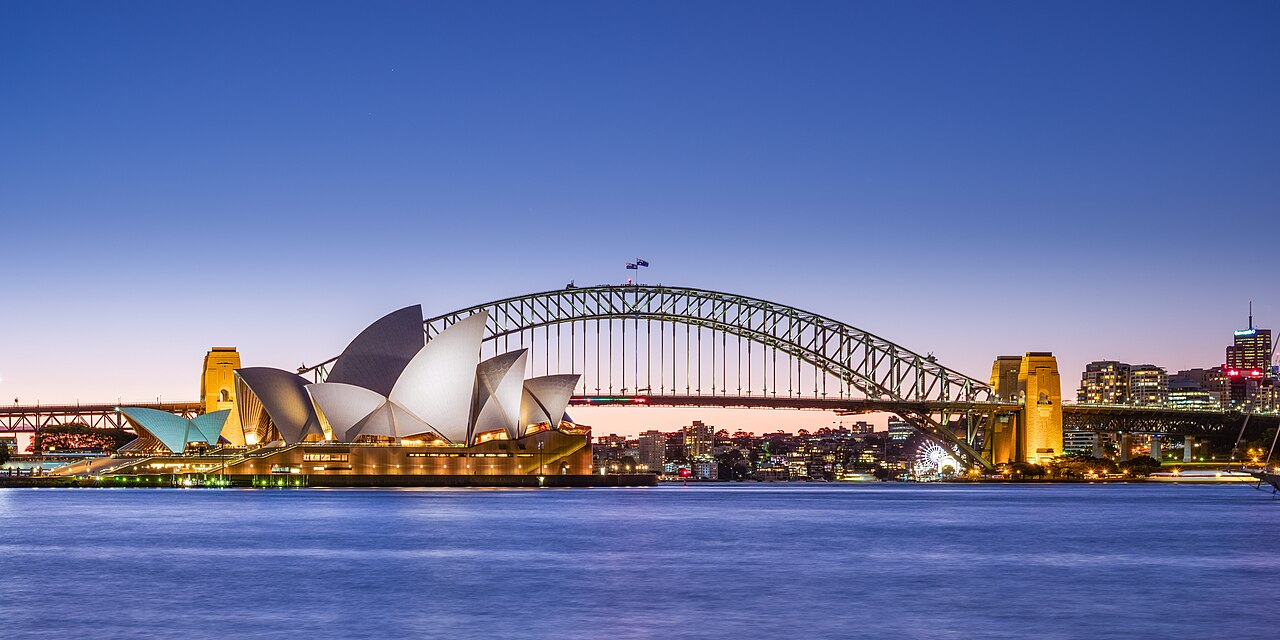
The Rocks and Circular Quay show Sydney at its most recognizable, where sandstone lanes, historic pubs, and the harbor skyline meet in one compact morning. The area’s old warehouses and cobbled streets sit under the sweep of the bridge, while the quay keeps the water and ferries constantly in view.
Use the open time for rest, a leisurely meal or a short nearby activity only when weather and energy support it.
Circular Quay on foot: Stay local around The Rocks, Circular Quay, the Opera House, and the Harbour Bridge area, where walking is the best way to connect sights. Public transport is optional, not essential, for this compact harbor day.
Sydney
Use the selected plan as the day’s main anchor and keep the remaining time flexible for rest, meals or a nearby activity.
Taronga and Mosman Harbour combine Sydney’s wildlife with one of the city’s best harbor outlooks. The setting feels greener and quieter than the central waterfront, with shaded paths, bayside headlands, and long views back toward the skyline.
Use the open time for rest, a leisurely meal or a short nearby activity only when weather and energy support it.
Harbor day trip: Use ferry and short local transfers to reach Taronga Zoo and the Mosman harbor area from Circular Quay. Keep the return flexible with ferry plus a brief walk or taxi from the wharf if needed.
Sydney
Use the selected plan as the day’s main anchor and keep the remaining time flexible for rest, meals or a nearby activity.
The Blue Mountains day trip is Sydney’s clearest escape into dramatic sandstone scenery, cool forest, and wide valley views. The landscape feels much larger than the city: cliff edges, eucalyptus haze, and lookout points that make the whole region read as a classic Australian wilderness day.
Use the open time for rest, a leisurely meal or a short nearby activity only when weather and energy support it.
Ground connection and local walking: Arrange ground transport from The Rocks / Circular Quay to Blue Mountains and back. Walking applies within each stop after you arrive; confirm the road or transit connection in advance.
Sydney → Melbourne
Flying is the most practical way to cover this city pair and still preserve part of the day. Add airport time at both ends so the afternoon in Melbourne stays realistic.
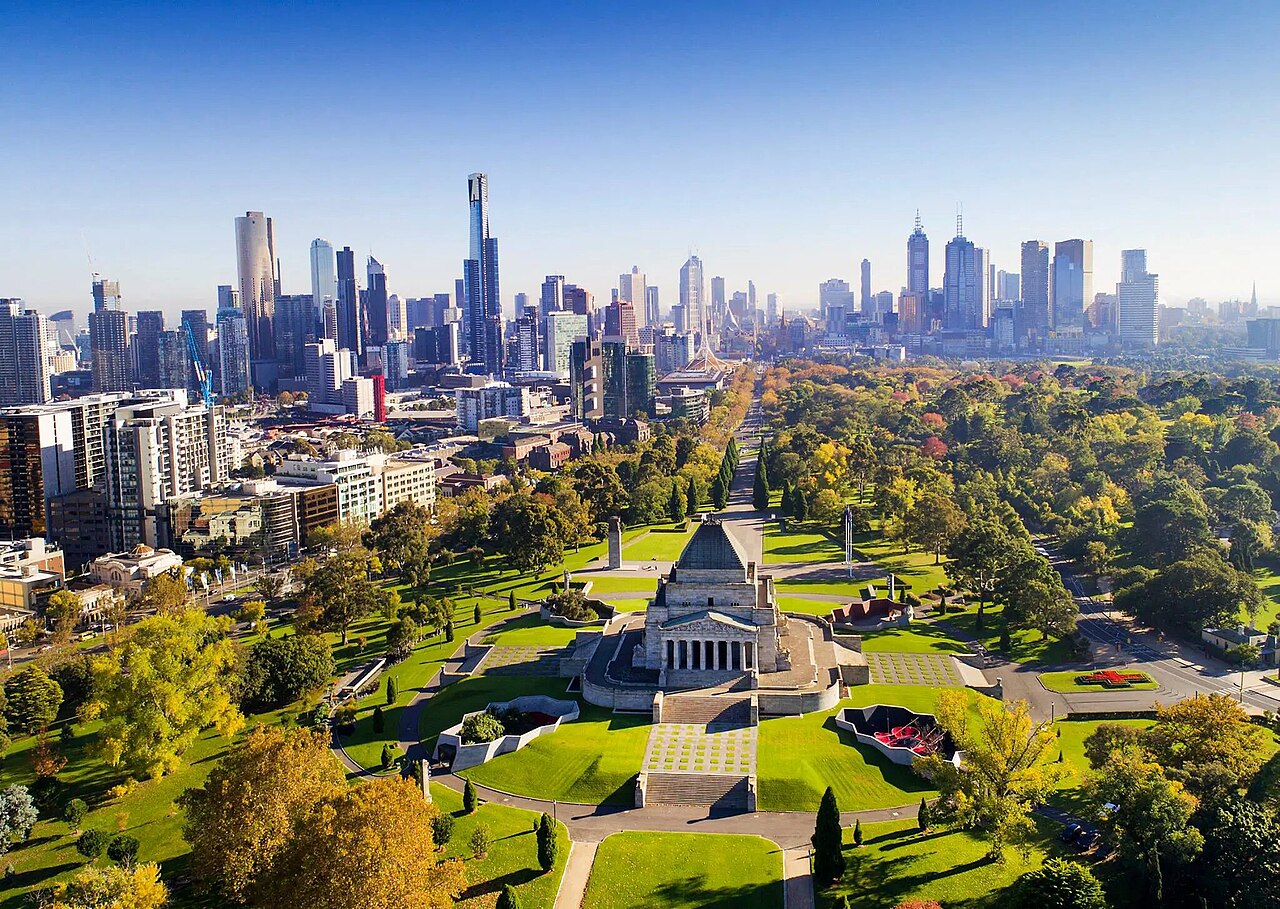
Melbourne’s stay is best handled on foot and by tram from a CBD base, with Federation Square, Southbank, Carlton, and the museum and garden areas all fitting a compact city pattern. No car is needed for the full Melbourne segment, and the arrival day remains easy to manage after the flight.
Melbourne
Travel from Sydney to Melbourne, check in and preserve a comfortable buffer around the selected plan.
Use this time for the move to Melbourne, luggage and hotel check-in, leaving a comfortable buffer before the next plan.
Federation Square and Flinders Street sit at the heart of Melbourne’s civic and cultural identity, where modern angles, grand station architecture, and city crowds all meet. The area feels distinctly Melbourne: tram lines, laneways nearby, and a steady flow of people moving between galleries, transport, and the river edge.
Arriving in Melbourne: After arrival, keep the afternoon centered on Federation Square and Flinders Street so you can settle in without extra travel. This area is easy to reach on foot or by tram from the CBD and works well for a low-effort first look at the city.
Melbourne
Use the selected plan as the day’s main anchor and keep the remaining time flexible for rest, meals or a nearby activity.
Southbank Arts and River Promenade shows Melbourne at its most polished, with galleries, performance spaces, and riverside dining strung along the Yarra. The setting mixes culture and atmosphere: tower reflections in the water, foot traffic along the promenade, and a constant pull between museum time and skyline views.
Use the open time for rest, a leisurely meal or a short nearby activity only when weather and energy support it.
Southbank riverside: Use walking and tram connections between the CBD, Southbank, the arts precinct, and the river promenade. Everything on today’s plan sits well within easy local movement, so a car would only add friction.
Melbourne
Use the selected plan as the day’s main anchor and keep the remaining time flexible for rest, meals or a nearby activity.
Carlton and Lygon Street bring together Melbourne’s museum quarter, formal gardens, and one of the city’s most established dining streets. The neighborhood feels leafy and slightly slower than the central core, with heritage buildings and wide paths around the gardens giving the morning a spacious start.
Use the open time for rest, a leisurely meal or a short nearby activity only when weather and energy support it.
Carlton and museums: Reach Carlton Museum and Lygon Street by tram or a pleasant walk from the CBD, then continue through the gardens area on foot. The day stays compact, so public transport is enough for all movement.
Melbourne → Rotorua
This is a long cross-border move where flying is clearly the most practical option. Even though total day time is substantial, it is still far better than any ground-only alternative.
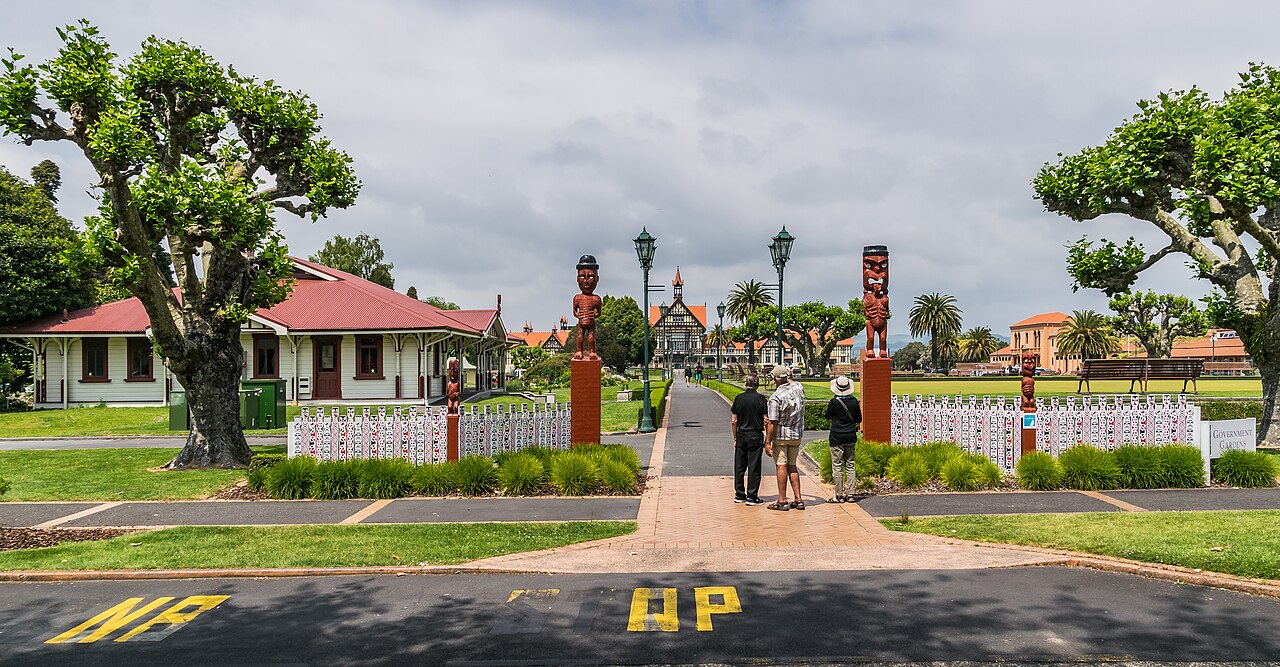
Rotorua is centered on a walkable lakefront and central geothermal area, with short local transfers only where helpful after arrival. Government Gardens, the lakefront, Sulphur Point, and Kuirau Park all work well without a car, so the stay can stay simple and local.
Rotorua
Travel from Melbourne to Rotorua, check in and preserve a comfortable buffer around the selected plan.
Use this time for the move to Rotorua, luggage and hotel check-in, leaving a comfortable buffer before the next plan.
Te Puia and Whakarewarewa define Rotorua’s geothermal and Māori cultural identity, where steam, carved meeting houses, and living traditions sit side by side. The ground itself is part of the story here, with boiling vents and mineral terraces adding a dramatic backdrop to the village atmosphere.
Arriving in Rotorua: After the long-haul arrival, keep local movement focused on the lakefront, Government Gardens, and your afternoon geothermal visit. Use a short transfer or taxi only for the arrival connection, then rely on local access for the rest of the day.
Rotorua
Use the selected plan as the day’s main anchor and keep the remaining time flexible for rest, meals or a nearby activity.
Government Gardens and the lakefront show Rotorua as a spa town shaped by gardens, civic architecture, and water views. The atmosphere is open and easy, with clipped lawns, heritage buildings, and the smell of sulphur drifting in from the geothermal edge near the lake.
Use the open time for rest, a leisurely meal or a short nearby activity only when weather and energy support it.
Lakefront stroll: Stay local around Government Gardens, the lakefront, and Sulphur Point, where walking is the most practical way to connect the sights. No special transport is needed beyond simple hotel-to-attraction movement.
Rotorua
Use the selected plan as the day’s main anchor and keep the remaining time flexible for rest, meals or a nearby activity.
Kuirau Park and the central geothermal walk show Rotorua’s volcanic activity in a compact, free-to-explore setting. Steam vents, bubbling mud, and warm ground make the park feel active from the moment you arrive, while the surrounding streets add a casual downtown food stop to round out the morning.
Use the open time for rest, a leisurely meal or a short nearby activity only when weather and energy support it.
Central geothermal walk: Use walking, with a short local transfer only if desired, to link Kuirau Park, Eat Streat, and nearby central Rotorua stops. The plan is compact enough that you do not need a rental car for the city core.
Rotorua → Queenstown
Flying is the fastest realistic way to connect Rotorua and Queenstown while preserving the afternoon in town. Use a morning departure so you still have time for a relaxed Queenstown arrival plan.
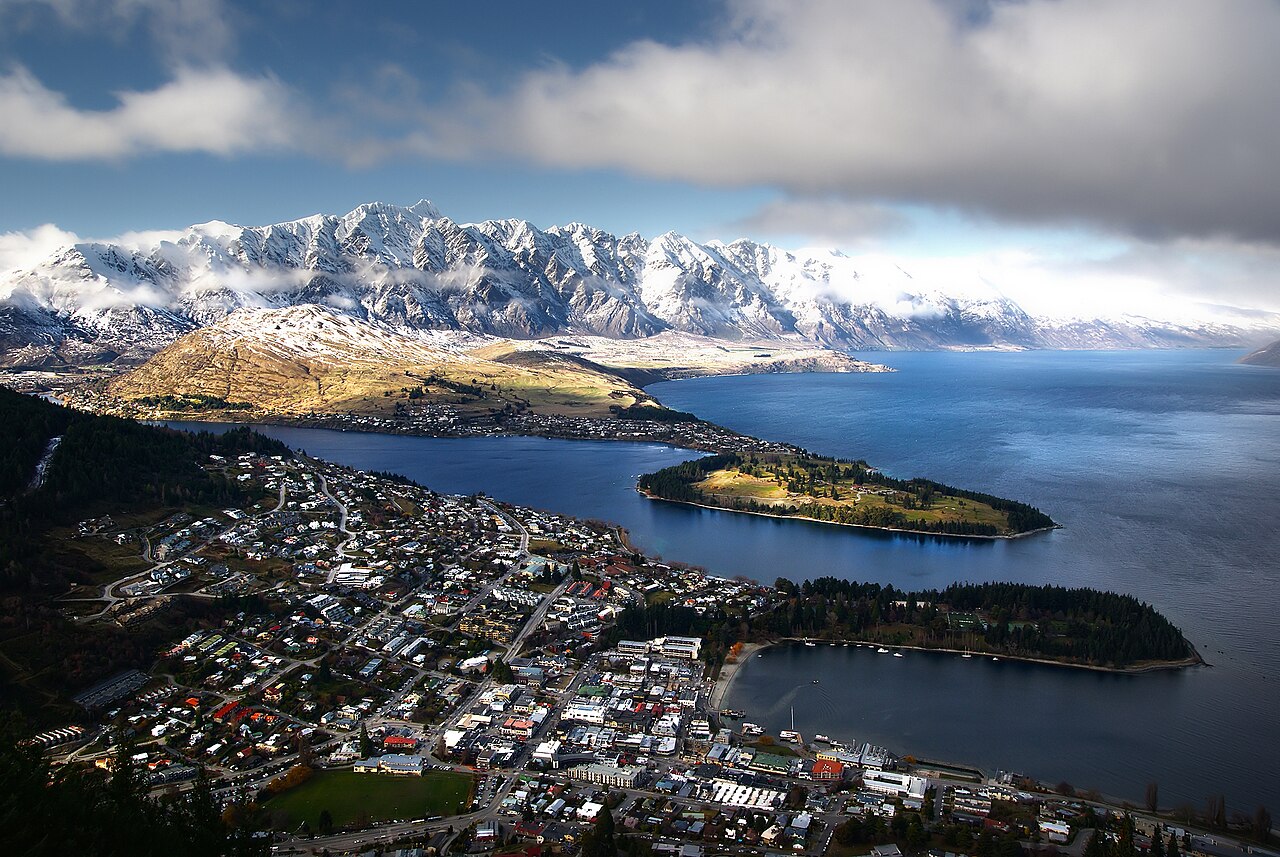
Queenstown is mostly walkable from a town-centre base, with the bay, cruise departure point, and Skyline access all fitting easy local movement. One scenic road outing stands apart and benefits from driving or a tour, while the rest of the stay does not need a car.
Queenstown
Travel from Rotorua to Queenstown, check in and preserve a comfortable buffer around the selected plan.
Use this time for the move to Queenstown, luggage and hotel check-in, leaving a comfortable buffer before the next plan.
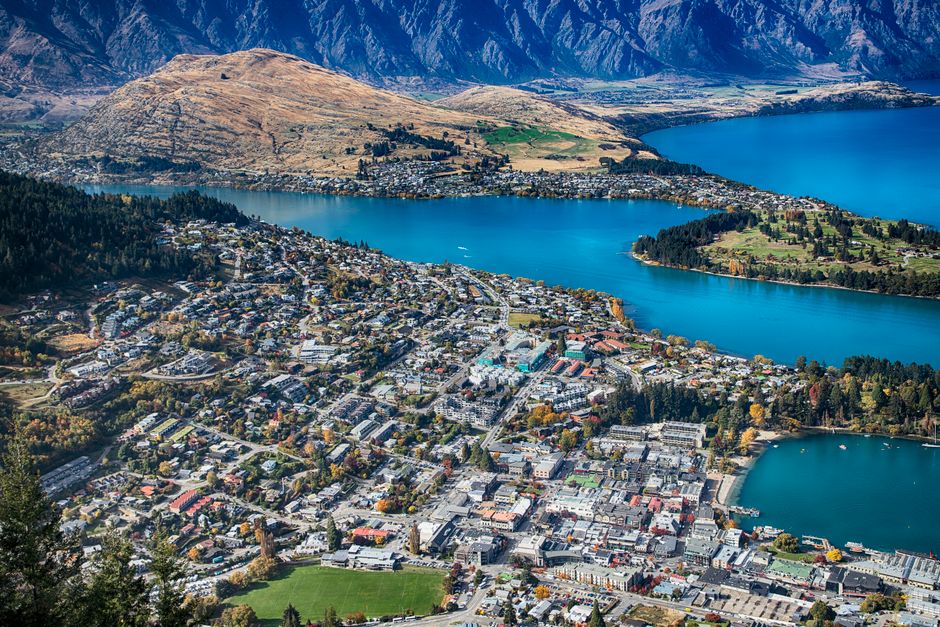
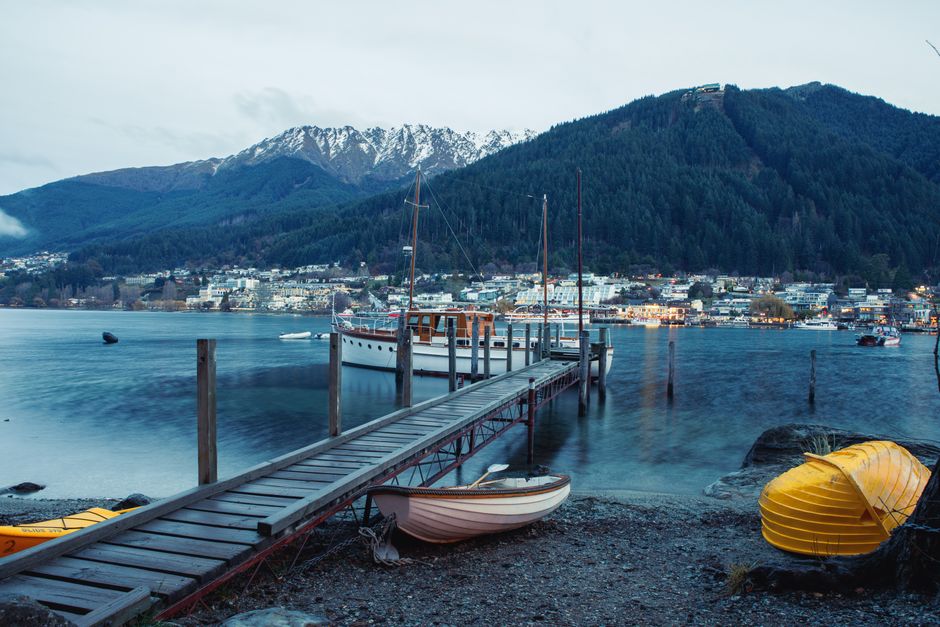
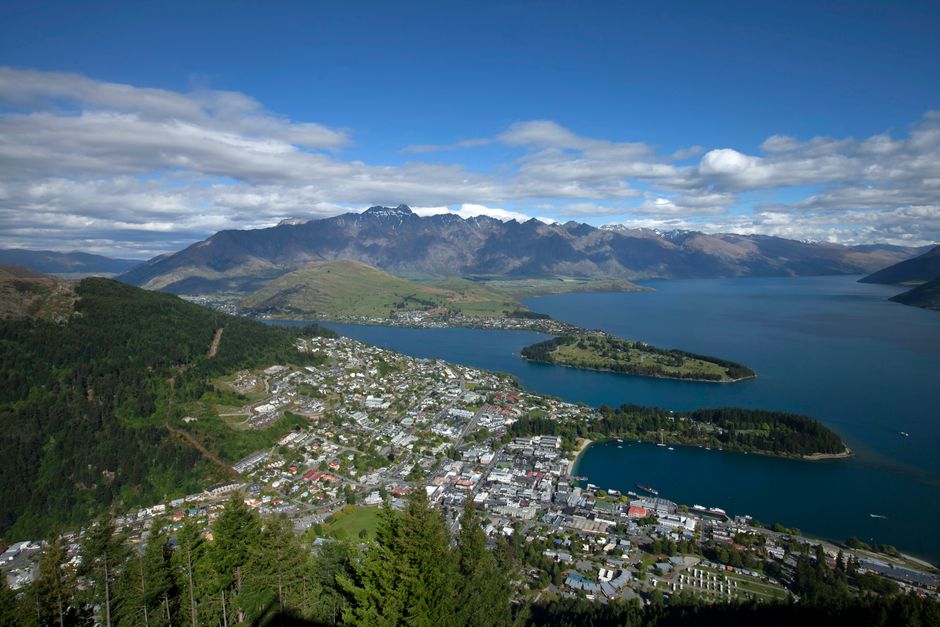
Queenstown Bay and the town centre bring together lakefront scenery, shopping streets, and the easygoing bustle that defines Queenstown. The setting is compact but scenic, with the Remarkables often visible in the distance and the lakefront always close at hand.
Arriving in Queenstown: After arrival, keep the afternoon focused on Queenstown Bay and the town centre, which are easy to cover on foot from your base. A short local transfer may help with luggage, but the selected sights themselves are walkable once you are settled.
Queenstown
Use the selected plan as the day’s main anchor and keep the remaining time flexible for rest, meals or a nearby activity.
The Walter Peak and Lake Wakatipu cruise gives Queenstown its most complete lake-and-high-country perspective. The journey itself is the point here, with open water, mountain walls, and a steamship crossing that slows the day down in a satisfying way.
Use the open time for rest, a leisurely meal or a short nearby activity only when weather and energy support it.
Lake cruise day: Use the waterfront departure area for the Walter Peak cruise and avoid planning any separate road travel around the excursion itself. The cruise handles the main movement, and you only need a short walk from town to the departure point.
Queenstown
Use the selected plan as the day’s main anchor and keep the remaining time flexible for rest, meals or a nearby activity.
Skyline and Bob’s Peak are Queenstown’s headline viewpoint and adventure stop, pairing big alpine panoramas with a playful, family-friendly descent option. The mountaintop setting turns the lake and town into a full sweep of water, peaks, and rooftops, and the atmosphere feels lively from morning through lunch.
Use the open time for rest, a leisurely meal or a short nearby activity only when weather and energy support it.
Skyline access: Reach Skyline Queenstown and Bob’s Peak by walking from the town centre or using the gondola access point directly from town. Once there, stay within the selected attraction rather than trying to add extra road movement.
Queenstown
Use the selected plan as the day’s main anchor and keep the remaining time flexible for rest, meals or a nearby activity.
Moke Lake and the Glenorchy Road views show Queenstown’s quieter side, where open water, mountain roads, and a sense of remoteness replace the bustle of town. The scenery feels more expansive and less staged, with still lake surfaces, working farmland, and lookout points that encourage slow stops rather than quick photo pulls.
Use the open time for rest, a leisurely meal or a short nearby activity only when weather and energy support it.
Scenic road outing: For Moke Lake and the Glenorchy Road viewpoints, a car or arranged tour is the practical way to cover the wider scenic area. Build in extra time for stops and return to town with daylight to spare.
Queenstown
Keep the day flexible for breakfast, checkout, luggage and onward travel. Add only a short nearby meal or walk if your departure timing leaves a comfortable buffer.
Departure day
Personalize this itinerary for you
Preload the cities, nights, pace, trip rhythm and major trip goals, then add your own dates, travelers, budget and preferences.
Customize this trip